
-
 USD
Home
/
Melanotan II*10vials
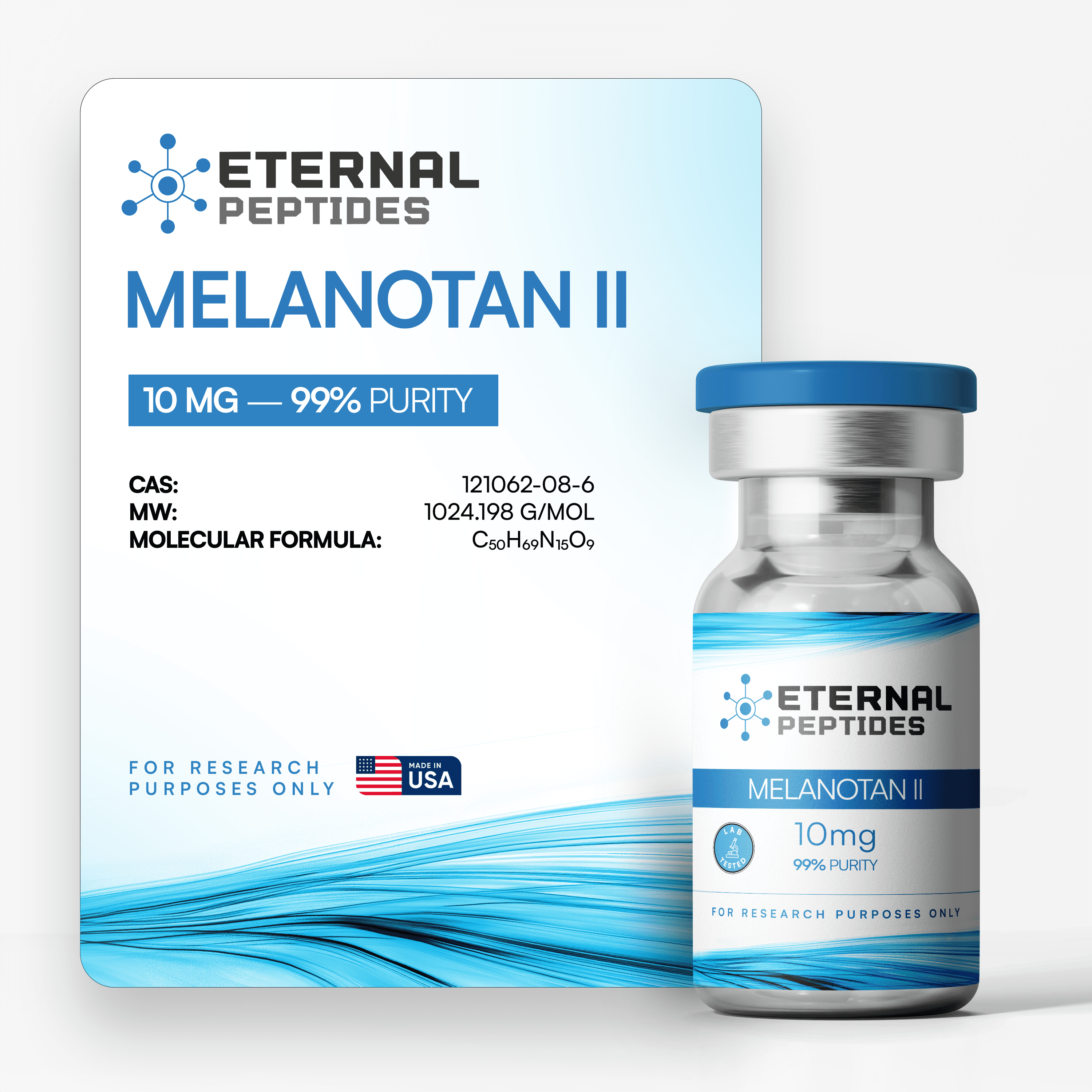
Melanotan II*10vials
For Research Use Only. Not for human use. Melanotan 2 (MT-2) is a synthetic melanocortin receptor agonist frequently utilized in laboratory settings to study pigmentation pathways, melanocyte signaling, and UV-response models.
Quantity
-
Detail
What is Melanotan II?
Melanotan II (MT-II) is a synthetic cyclic lactam analog of alpha-melanocyte stimulating hormone (α-MSH), originally developed at the University of Arizona in the late 1980s and early 1990s by researchers Victor Hruby and Mac Hadley. With the amino acid sequence Ac-Nle-c[Asp-His-D-Phe-Arg-Trp-Lys]-NH₂ and a molecular weight of approximately 1024.2 Da, Melanotan II is a truncated, cyclized heptapeptide that exhibits significantly greater potency and enzymatic stability compared to the endogenous 13-amino acid α-MSH peptide.
Melanotan II is classified as a non-selective melanocortin receptor agonist, meaning it activates all five melanocortin receptor subtypes (MC1R through MC5R) with varying degrees of affinity. This broad receptor activation profile distinguishes it from more selective melanocortin agonists and accounts for its multifaceted biological activities observed in research settings. The cyclic lactam bridge between the aspartic acid and lysine residues confers substantial resistance to enzymatic degradation, giving MT-II a significantly longer biological half-life than linear melanocortin peptides (Hadley & Dorr, 2006).
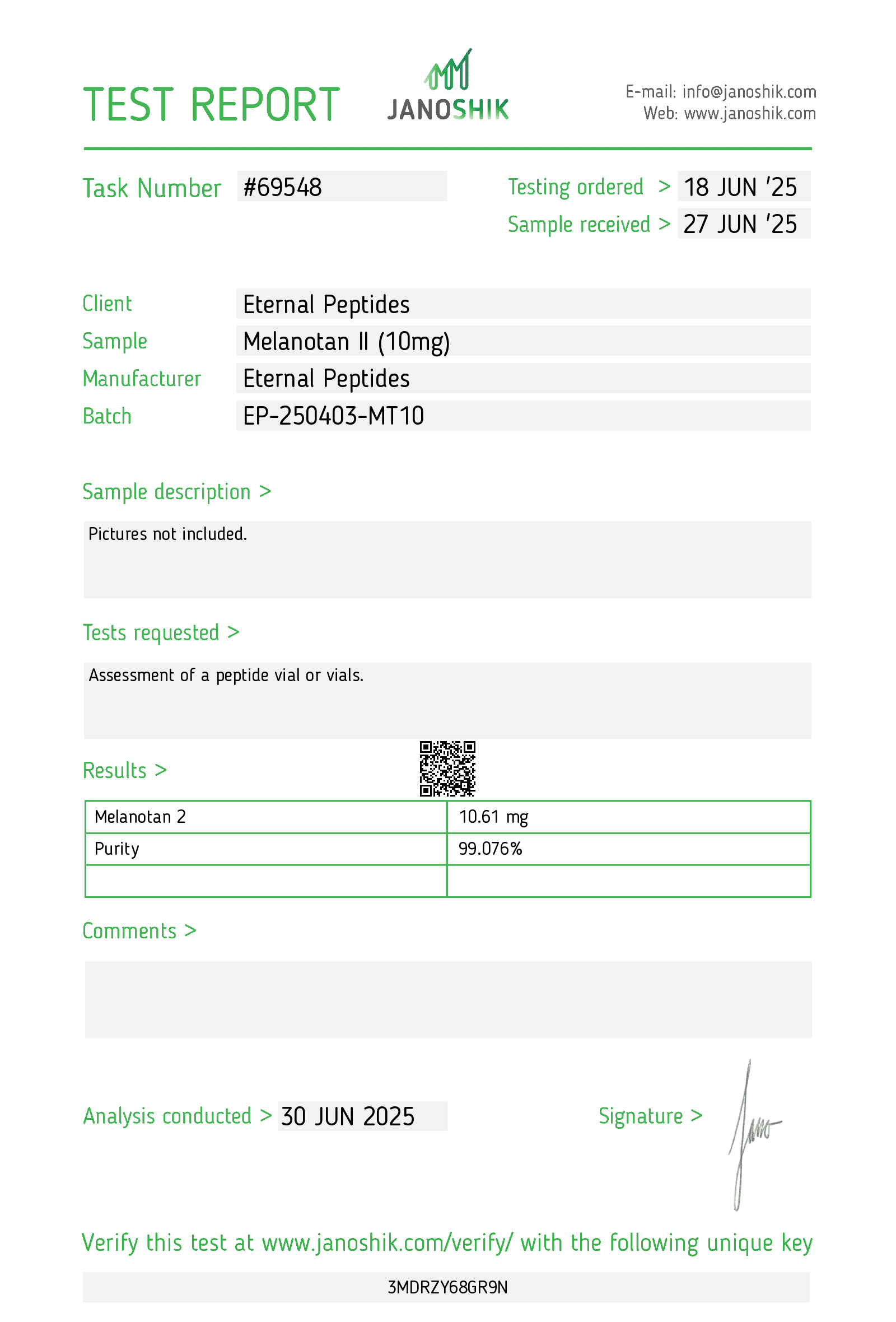
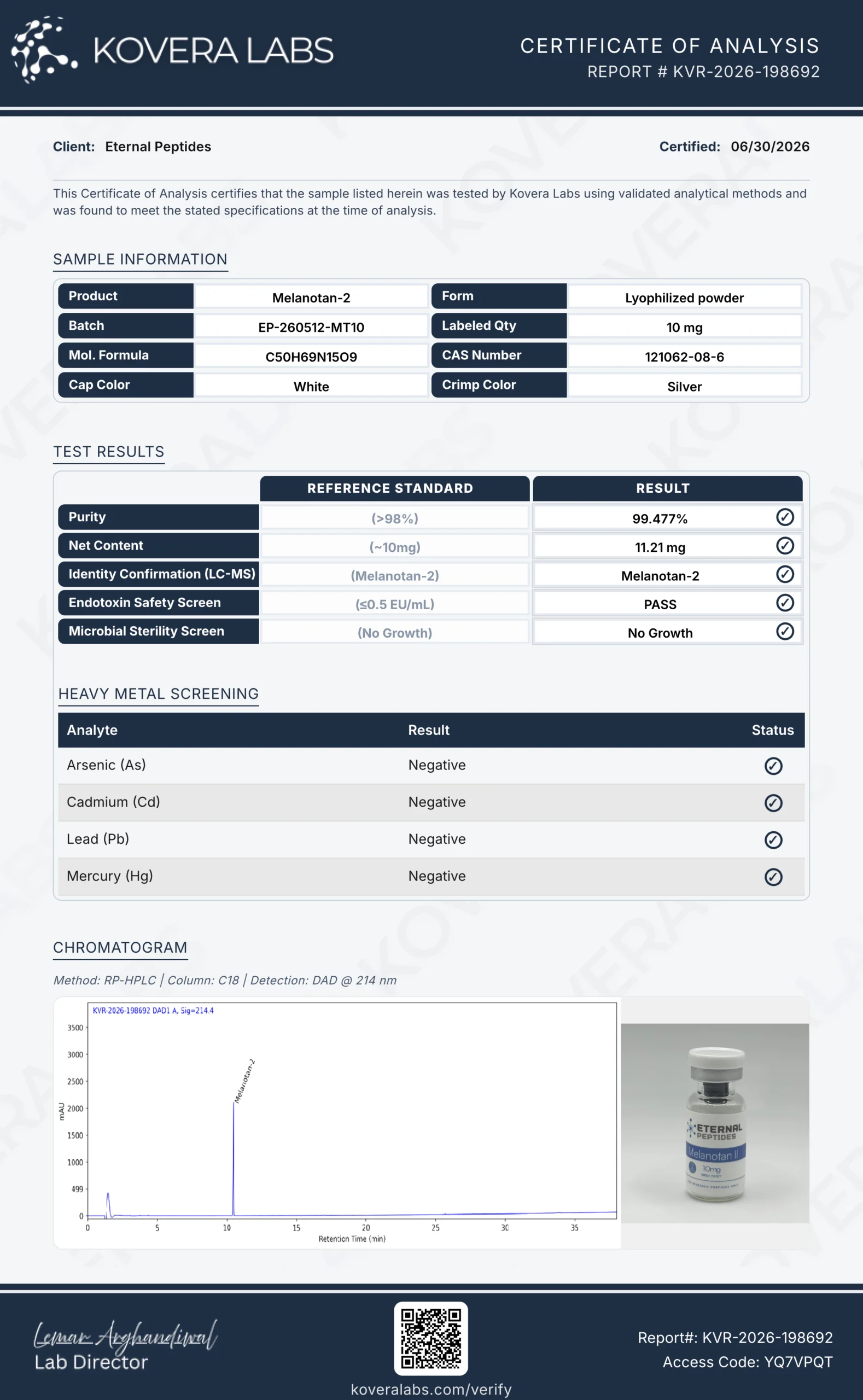
MT-II served as the direct precursor to PT-141 (Bremelanotide), which was later developed as a more selective melanocortin agonist. Iron Peak Peptides offers Melanotan II in a 10mg lyophilized format for research purposes, supplied with a quality assurance verifying high quality via HPLC testing.
Mechanism of Action
Melanotan II exerts its biological effects through activation of the melanocortin receptor family, a group of five G protein-coupled receptors (GPCRs) designated MC1R through MC5R. Each receptor subtype mediates distinct physiological functions, and MT-II's non-selective binding profile allows it to engage multiple signaling pathways simultaneously.
MC1R Activation and Melanogenesis: Upon binding to MC1R on melanocytes in the skin, Melanotan II activates the Gαs subunit, which stimulates adenylyl cyclase to increase intracellular cyclic adenosine monophosphate (cAMP) levels. Elevated cAMP activates protein kinase A (PKA), which phosphorylates cAMP response element-binding protein (CREB). Activated CREB upregulates microphthalmia-associated transcription factor (MITF), the master regulator of melanogenesis. MITF then drives expression of key enzymes including tyrosinase, tyrosinase-related protein 1 (TRP-1), and dopachrome tautomerase (TRP-2), shifting melanin production toward eumelanin—the dark, photoprotective form of melanin—rather than pheomelanin (Hadley & Dorr, 2006).
MC3R/MC4R and Central Nervous System Effects: In the hypothalamus, MT-II activates both MC3R and MC4R, which are critical regulators of energy homeostasis, feeding behavior, and sexual function. MC4R activation in the paraventricular nucleus (PVN) of the hypothalamus triggers downstream signaling cascades that promote the release of oxytocin, which in turn mediates erectogenic effects through both central and peripheral neural pathways (Giuliano et al., 2006). Research by Vemulapalli et al. (2001) demonstrated that central MC receptor activation by MT-II increases intracavernosal pressure in animal models through neuronal nitric oxide (NO) release.
MC4R and Appetite Regulation: MC4R activation by Melanotan II in the arcuate nucleus modulates the balance between orexigenic (appetite-stimulating) and anorexigenic (appetite-suppressing) signals. Studies indicate that MT-II opposes the effects of neuropeptide Y (NPY) and agouti-related peptide (AgRP), reducing food intake and adiposity through MC3R/MC4R-mediated pathways (Veyrat-Durebex et al., 2003). MC4R knockout mice are insensitive to MT-II's effects on both food intake and metabolic rate, confirming MC4R as the primary mediator of these metabolic actions (Chen et al., 2000).
MC5R and Exocrine Function: Activation of MC5R, which is expressed in exocrine glands, contributes to sebaceous gland regulation and immune modulation, though this remains an area of ongoing research. The combined activation of multiple MCR subtypes creates the multifunctional pharmacological profile that makes Melanotan II a uniquely versatile research tool in melanocortin biology.
Research Applications
Melanotan II is one of the most extensively studied synthetic melanocortin peptides in preclinical and clinical research. Its non-selective receptor profile has made it invaluable for investigating multiple physiological systems. Below are the primary research areas where MT-II has been investigated.
Melanogenesis and Skin Pigmentation Research
The original impetus for developing Melanotan II was to create an agent that could stimulate endogenous melanin production as a potential photoprotective strategy. A pilot phase I clinical study by Dorr et al. (1996) demonstrated that subcutaneous MT-II administration produced visible tanning in human subjects after just five low-dose injections given every other day. Research indicates that MT-II-induced melanogenesis promotes eumelanin synthesis—the darker, more photoprotective melanin subtype—which absorbs a broader spectrum of UV radiation compared to pheomelanin. This mechanism has implications for research into skin rejuvenation and UV protection strategies. The linear analog Melanotan I (afamelanotide) was subsequently developed as a more selective MC1R agonist and has been approved for treating erythropoietic protoporphyria.
Sexual Function and Erectile Research
Perhaps the most clinically significant research application of Melanotan II involves its effects on sexual function. In a landmark double-blind, placebo-controlled crossover study, Wessells et al. (1998) found that MT-II initiated clinically apparent erections in 8 of 10 men with psychogenic erectile dysfunction, with a mean tip rigidity duration greater than 80% lasting 38 minutes compared to 3 minutes for placebo. A subsequent expanded study in 20 subjects with both psychogenic and organic ED confirmed these findings, with 17 of 20 men experiencing penile erection after MT-II administration (Wessells et al., 2000). Notably, increased sexual desire was reported after 68% of MT-II doses versus 19% of placebo doses. These observations regarding the centrally mediated nature of MT-II's effects on sexual function led directly to the development of PT-141 (Bremelanotide), as described in our PT-141 Research Guide.
Appetite Suppression and Energy Homeostasis
Melanotan II has been extensively studied for its effects on food intake and body composition. Central administration of MT-II in rodent models produces potent anorexigenic effects—reducing food intake by up to 90% during the initial 1–2 days of administration (Veyrat-Durebex et al., 2003). Chronic MT-II infusion reduces fat pad weight by approximately 50% compared to pair-fed controls and counteracts the orexigenic and adipogenic effects of neuropeptide Y (NPY). Research by Chen et al. (2000) confirmed that these metabolic effects are mediated primarily through MC4R, as knockout mice were insensitive to MT-II's effects on both food intake and metabolic rate. More recently, Eliason et al. (2022) demonstrated that MT-II microinjected into the nucleus accumbens decreases both appetitive and consumptive responding for food, suggesting involvement of reward circuitry. These findings are relevant to researchers studying peptides for weight loss and metabolic regulation, alongside other agents like Semaglutide and Tirzepatide that target the GLP-1 receptor pathway.
Alcohol Consumption Research
An emerging area of MT-II research involves its effects on alcohol intake. Navarro et al. (2015) demonstrated that MTII synergistically augments the effectiveness of naltrexone in reducing binge-like ethanol drinking in C57BL/6J mice. A low dose of MTII (0.26 mg/kg) produced a 7.6-fold increase in the effectiveness of naltrexone, suggesting that melanocortin signaling may represent a novel therapeutic avenue for alcohol abuse research.
Anti-Inflammatory Research
As a melanocortin receptor agonist, MT-II has been investigated for its anti-inflammatory properties. Melanocortin peptides are known to modulate inflammatory responses through MC1R and MC3R signaling, reducing the production of pro-inflammatory cytokines including TNF-α, IL-6, and IL-1β. Researchers studying peptides for inflammation have examined MT-II alongside other anti-inflammatory peptides like BPC-157 and KPV.
Published Research Studies
Melanotan II has been the subject of numerous peer-reviewed studies spanning over three decades. Below are key published studies that have shaped the understanding of this peptide in research contexts.
1. Dorr et al. (1996) – Life Sciences: This pilot phase I clinical study evaluated subcutaneous MT-II in human volunteers and demonstrated visible skin tanning after just five low-dose injections administered every other day. The study established MT-II's tanning activity and preliminary safety profile in humans, with transient nausea reported as the primary side effect (PMID: 8637402).
2. Wessells et al. (1998) – Journal of Urology: In a double-blind, placebo-controlled crossover study of 10 men with psychogenic erectile dysfunction, subcutaneous MT-II (0.025 mg/kg) initiated clinically apparent erections in 8 of 10 subjects. Mean tip rigidity >80% lasted 38 minutes with MT-II versus 3 minutes with placebo (p=0.0045). Side effects included transient nausea, stretching/yawning, and decreased appetite (PMID: 9679884).
3. Wessells et al. (2000) – Urology: An expanded study in 10 men with organic risk factors for ED demonstrated that MT-II initiated subjective erections in 12 of 19 injections versus 1 of 21 placebo doses. Mean tip rigidity >80% was 45.3 minutes with MT-II versus 1.9 minutes for placebo. Importantly, sexual desire was significantly higher after MT-II administration, suggesting a central mechanism distinct from peripheral vasodilators (PMID: 11018622).
4. Veyrat-Durebex et al. (2003) – Journal of Neuroendocrinology: This study demonstrated that chronic central MT-II infusion (15 nmol/day for 7 days) in male Sprague-Dawley rats produced near-complete anorexia for 1–2 days, reduced fat pad weight by approximately 50% compared to pair-fed controls, and counteracted NPY-driven hyperphagia and adiposity. The study revealed that MT-II's metabolic effects are distinct from its neuroendocrine effects (PMID: 12535159).
5. Giuliano et al. (2006) – Neuroscience: In anesthetized rats, MT-II exerted dose-dependent inducer and facilitator effects on erection through both central (hypothalamic) and peripheral (spinal) melanocortin pathways. The facilitator effect was mediated through sympathetic neural pathways rather than parasympathetic or somatic routes (PMID: 16360286).
Dosage Protocols in Research
The following dosage information is compiled from published research studies and is presented for research reference purposes only. Melanotan II is sold exclusively as a research peptide and is not intended for human use.
Clinical Study Dosages: In the human clinical studies conducted by Wessells and colleagues, subcutaneous MT-II was administered at a dose of 0.025 mg/kg body weight (Wessells et al., 1998). For an 80 kg subject, this corresponds to approximately 2 mg per injection. In the Dorr et al. tanning study, a dose of 0.016 mg/kg was administered every other day for a total of five doses (Dorr et al., 1996).
Animal Study Dosages: In rodent research, intraperitoneal doses of MT-II have ranged from 0.1 to 10 mg/kg, with effects on food intake typically observed at 1–3 mg/kg. Central (intracerebroventricular) infusion in rats has used doses of 1–15 nmol/day for metabolic studies (Veyrat-Durebex et al., 2003). For erectile function studies in rats, intravenous doses of 0.1–1 mg/kg produced dose-dependent effects (Giuliano et al., 2006).
Reconstitution: For research use, Melanotan II lyophilized powder should be reconstituted with bacteriostatic water or sterile water. A common research reconstitution involves adding 2 mL of bacteriostatic water to a 10 mg vial, yielding a concentration of 5 mg/mL. Researchers should consult our guide on how to reconstitute peptides for detailed instructions. All dosing decisions in research protocols should be based on published literature and institutional guidelines.
Storage and Handling
Proper storage and handling of Melanotan II is critical to maintaining peptide integrity and ensuring reliable research results. The cyclic structure of MT-II confers better stability than many linear peptides, but appropriate precautions should still be taken.
Lyophilized (Unreconstituted) Peptide: Store the sealed vial at -20°C (freezer) for long-term storage. MT-II lyophilized powder is stable for 24+ months when stored at -20°C and protected from light and moisture. Short-term storage at 2–8°C (refrigerator) is acceptable for periods up to several weeks. Keep the vial sealed to prevent moisture absorption.
Reconstituted Peptide: Once reconstituted with bacteriostatic water, Melanotan II should be stored at 2–8°C (refrigerator) and used within 4–6 weeks for optimal potency. Avoid repeated freeze-thaw cycles as this can degrade peptide integrity. If longer storage is required, aliquot the solution into single-use volumes and store at -20°C. For detailed storage guidance, refer to our research peptide storage guide.
Handling Precautions: Always use sterile technique when handling reconstituted peptide solutions. Avoid vigorous shaking; instead, gently swirl or roll the vial to dissolve the lyophilized powder. Protect from direct sunlight and UV exposure during reconstitution and storage. Keep peptides away from oxidizing agents and extreme pH conditions.
-
Customer ReviewsNo comments