
-
 USD
Home
/
Melanotan I*10vials
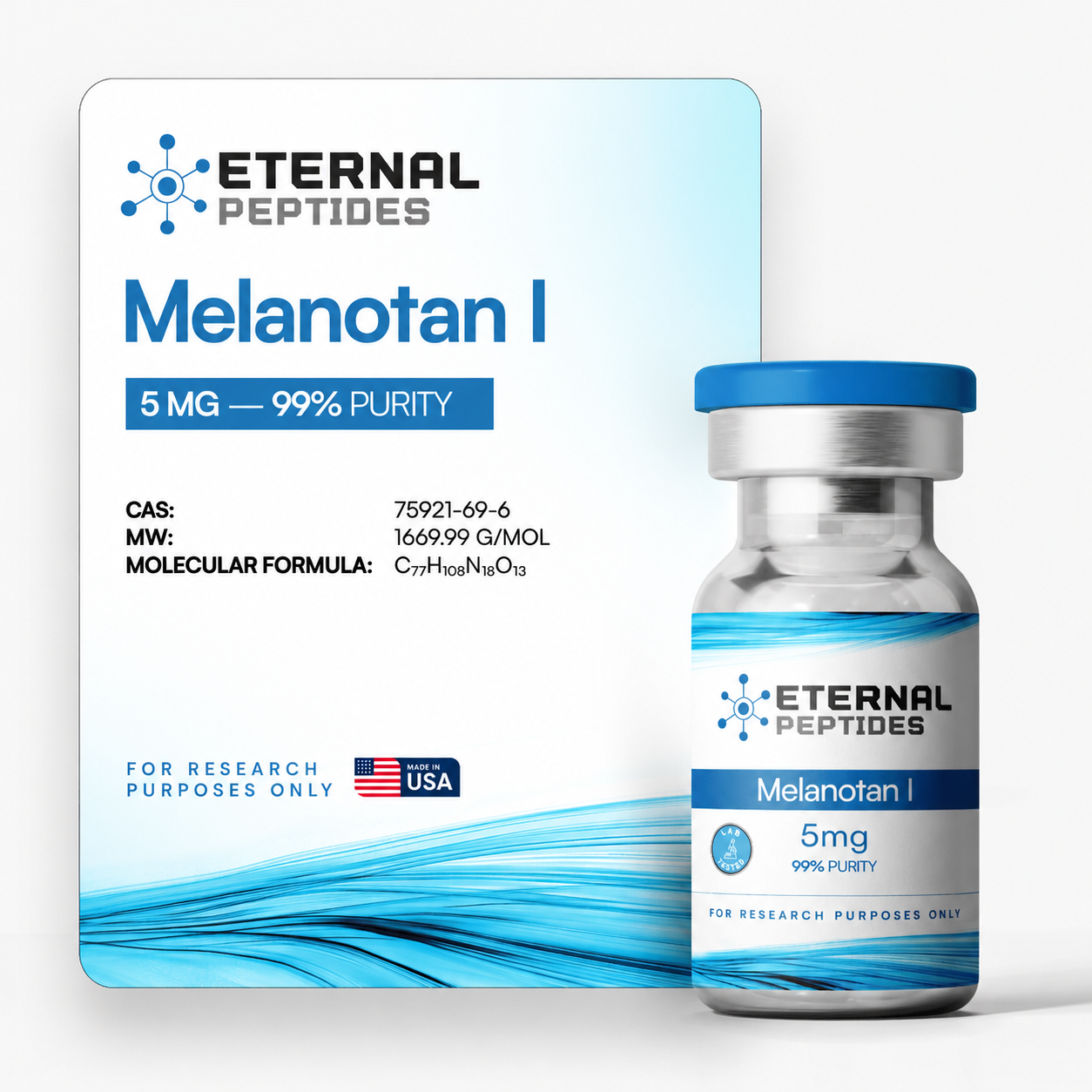
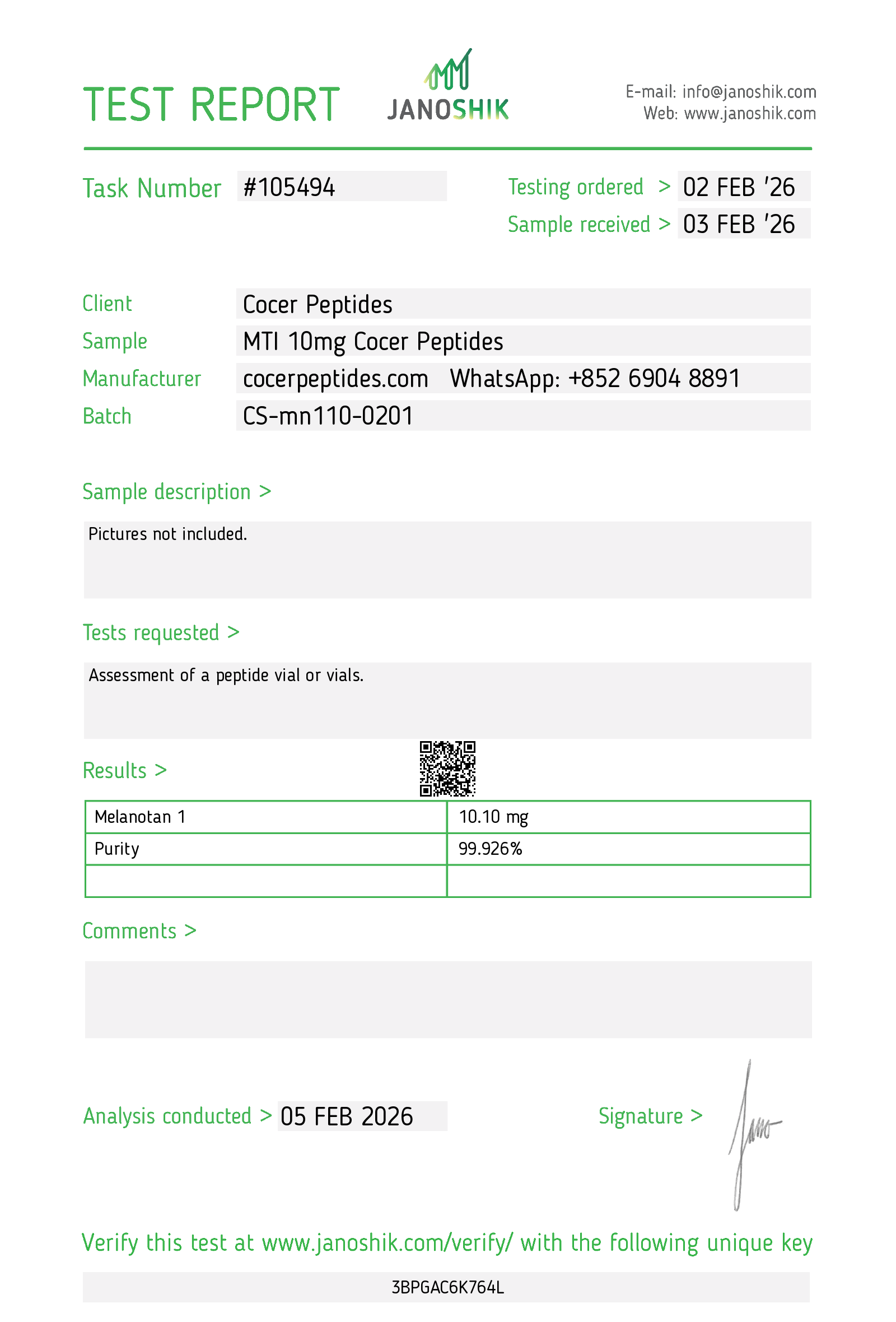
Melanotan I*10vials
Melanotan 1 has been extensively examined in laboratory research for its potential roles across multiple systems, including pigmentation biology, neuroprotection, cardiovascular processes, immune regulation, and tissue fibrosis.
Quantity
-
Detail
Scientific Overview of Melanotan 1
Melanotan 1 (MT-1) is a laboratory-synthesized peptide that mirrors the activity of alpha-melanocyte-stimulating hormone (α-MSH). Researchers have studied this compound primarily in the context of pigmentation biology and phototoxicity models, particularly in relation to conditions such as erythropoietic protoporphyria. Its structure features specific amino acid substitutions that may enhance molecular stability and receptor affinity when compared to natural α-MSH.
Beyond pigmentation, scientific investigations have suggested that MT-1 may interact with multiple physiological pathways, ranging from neurobiology to vascular regulation. The compound has therefore become a point of interest for its potential role in experimental studies exploring melanocortin receptors, neuroinflammation, and tissue fibrosis.
Alternative Names: MT-1
Melanotan 1 Studies and Research Data
Receptor Pathways and Pigmentation Models
Melanotan 1 has been studied in connection with the melanocortin receptor family. It is thought to primarily interact with melanocortin 1 receptors (MC1R), which are expressed in melanocytes and considered central to pigmentation processes. This receptor interaction may increase melanin synthesis, with evidence pointing to potential differences between eumelanin and pheomelanin formation. Studies suggest that MT-1 may induce pigmentation changes in laboratory models even under reduced UV exposure, with pigmentation lasting longer compared to controls.
Genetic and Dermatological Observations
Variants in MC1R genes have been associated with variable pigmentation responses in laboratory settings. Research has examined MT-1 in combination with ultraviolet light in models of hypopigmentation, such as vitiligo. Findings indicate possible stimulation of both melanocyte proliferation and melanin synthesis. Additional studies note its role in influencing pigmentation recovery in experimental scar tissue and in mitigating UV-induced skin damage models.
Cognitive Function and Neurobiology
MT-1 has also been investigated in murine models of Alzheimer’s disease. Research suggests that stimulation of melanocortin 4 receptors (MC4R) may reduce amyloid-beta accumulation, support synaptic activity, and improve markers linked to neuroprotection. Preliminary findings point to possible contributions to astrocyte functioning and the regulation of brain-derived neurotrophic factor (BDNF), a molecule central to neuronal stability and neurogenesis.
Cardiovascular and Stroke Research
Laboratory studies indicate that MT-1 may influence blood pressure regulation in hypertensive models without producing significant changes in normotensive controls. Further investigation suggests potential benefits in ischemia models, where the compound may mitigate neuronal damage after stroke induction and promote recovery of learning and memory pathways. The upregulation of genes such as Zif268 has been proposed as part of the underlying mechanism.
Inflammation and Immune Studies
Research has noted possible connections between MT-1 and the suppression of neuroinflammation. Experimental data suggest that peptides influencing melatonin expression, including MT-1, may reduce T-cell activity in models of multiple sclerosis and uveitis. This proposed mechanism may highlight MT-1 as part of broader peptide-related pathways in controlling immune-driven inflammation in neural and ocular tissues.
Melanotan 1 and Tissue Fibrosis Investigations
Preclinical studies have explored whether stimulation of MC1R activity by MT-1 may contribute to reducing fibrotic responses in inflamed tissues. Observations indicate that MT-1 may modulate the balance of matrix metalloproteinases (MMPs) and their inhibitors, as well as reduce the expression of genes associated with fibrogenesis. These findings suggest possible roles in decreasing fibrosis progression, particularly in liver models.
Conclusion
Melanotan 1 has been extensively examined in laboratory research for its potential roles across multiple systems, including pigmentation biology, neuroprotection, cardiovascular processes, immune regulation, and tissue fibrosis. While much of the research remains preliminary, MT-1 continues to be a central compound of interest in studies of melanocortin receptor signaling and its broader implications in experimental biology.
-
Customer ReviewsNo comments